
Anxiety, stress, and the need to take a break
Anxiety, stress, and the need to take a break: why slowing down isn’t a waste of time
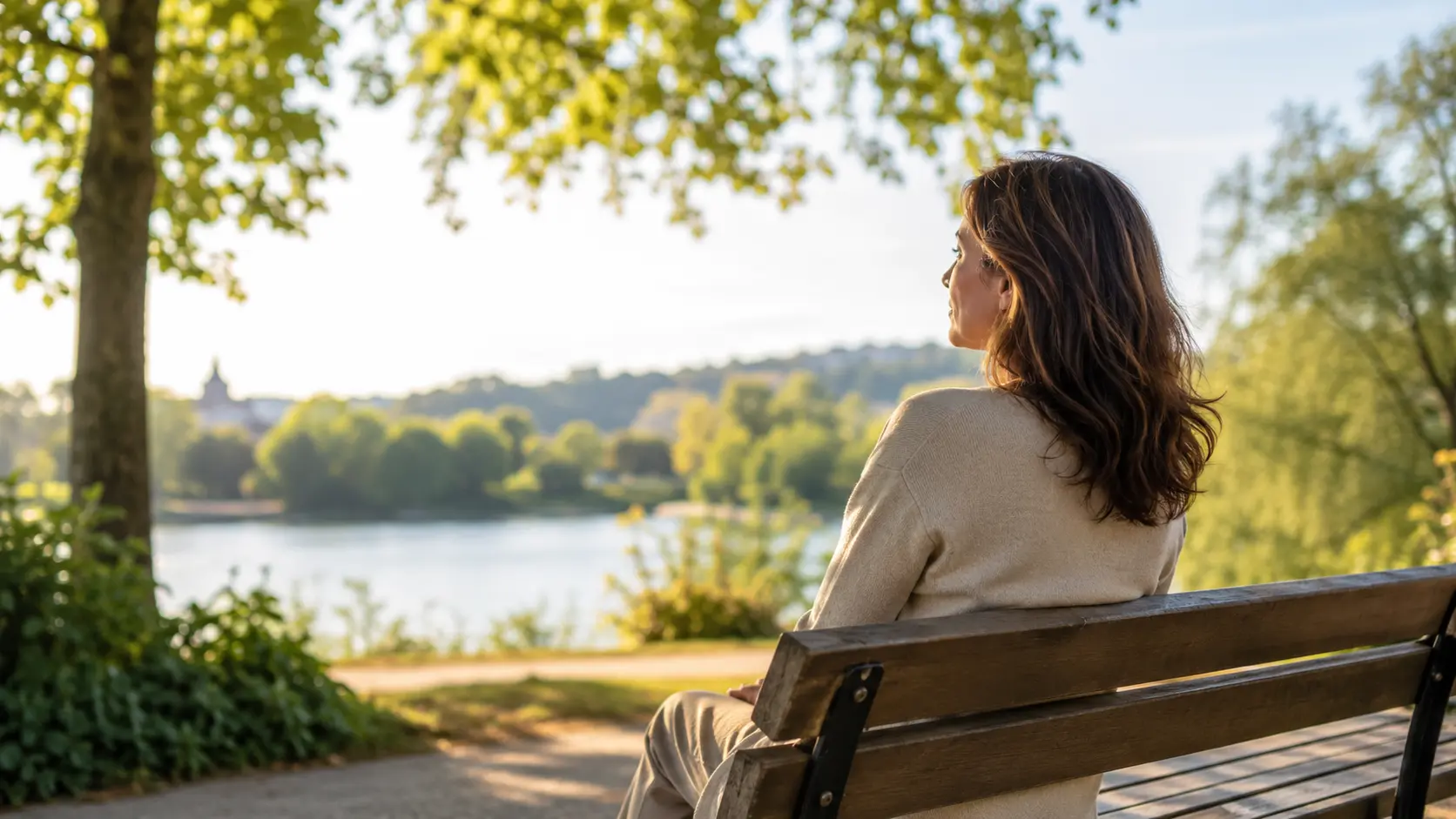
As summer approaches, many people feel tired, irritable, or simply “overwhelmed.” The days never seem to be long enough, tasks pile up, and even when you finally manage to carve out a moment to yourself, your mind keeps racing.
People often think the problem is a lack of time. In reality, that’s not always the case. Many people have some free time during the day, but they struggle to truly enjoy it. Even during breaks, their minds remain busy planning, remembering, worrying, or anticipating what might happen.
We live in a culture that values productivity, efficiency, and getting things done. Being busy is often seen as a sign of success or dedication. In this context, taking a break can even cause discomfort or guilt.
Signs of long-term stress
We often think that rest simply means not working. However, that’s not always the case.
Many people, as soon as the workweek ends, immediately fill their time with activities, commitments, and plans. A day trip, a bike ride, a vacation, or a get-together with friends or family can certainly be sources of pleasure and well-being. The problem isn’t what we do, but how we do it.
Sometimes the same frenzy that characterizes our work spills over into our free time. We rush from one activity to the next without really allowing ourselves the space to listen to ourselves. It’s as if every moment must be exploited to the fullest and every opportunity seized so as not to miss out on something.
Behind this constant rush may lie the difficulty of simply being with oneself. Stopping can feel unusual or even uncomfortable. For some people, thoughts, worries, or a sense of...
Sometimes it’s not work that keeps us from resting. It’s the difficulty we have in slowing down even when we have free time.
In this sense, slowing down doesn’t necessarily mean doing less. Rather, it means creating moments to ask ourselves: How am I feeling right now? What do I need right now? It means giving ourselves the chance to choose, rather than automatically moving from one task to the next.
Signs of long-term stress
Yet our bodies aren’t designed to be under constant pressure. When stress drags on, various signs may appear: trouble sleeping, muscle tension, irritability, difficulty concentrating, persistent fatigue, or a general feeling of always being “on edge.”
Sometimes anxiety doesn’t manifest itself through panic attacks or obvious symptoms. It can take more subtle forms: a mind that never stops racing, a tendency to worry constantly, the need to control everything, or the feeling that you just can’t seem to relax.
Slowing down doesn't mean doing less
Slowing down doesn’t mean giving up on your goals or becoming less productive. On the contrary, it means creating space to recognize what’s happening inside us before stress levels become overwhelming.
Mindfulness and other scientifically grounded psychological approaches can help us develop greater awareness of our thoughts, emotions, and bodily sensations. It’s not about “clearing your mind” or eliminating stress, but about learning to recognize when we’re slipping into autopilot and choosing how to respond more mindfully.
Often, the first step isn’t to change something right away, but to pause for a moment and ask yourself:
-
How am I really feeling right now?
-
What do I need?
-
Am I truly living this day, or am I just trying to get through it?
Simple questions, yet ones that can open up a new perspective on how we relate to ourselves.
With the arrival of summer, many people hope that their vacations will automatically relieve their stress. Sometimes that happens, but not always. If we continue to carry the same rush, the same pressure, and the same need to fill every moment with us, we risk turning even our free time into a source of tension.
Learning to pause, even for just a few minutes, can become a way to reconnect with ourselves, listen to our needs, and recharge our energy in a more authentic way.
In my work, I often meet people who devote a lot of energy to managing commitments, responsibilities, and expectations. Sometimes the hardest challenge isn’t doing more, but allowing ourselves the time to pause and listen to what we truly need.
Slowing down, at times, isn’t a waste of time. It can be the most effective way to regain balance, clarity, and presence in one’s life.